See what people see.
Professional eye tracking services for agencies, researchers and organisations. Real-world and screen-based eye tracking for UX, wayfinding, retail, training, public spaces and behavioural research.
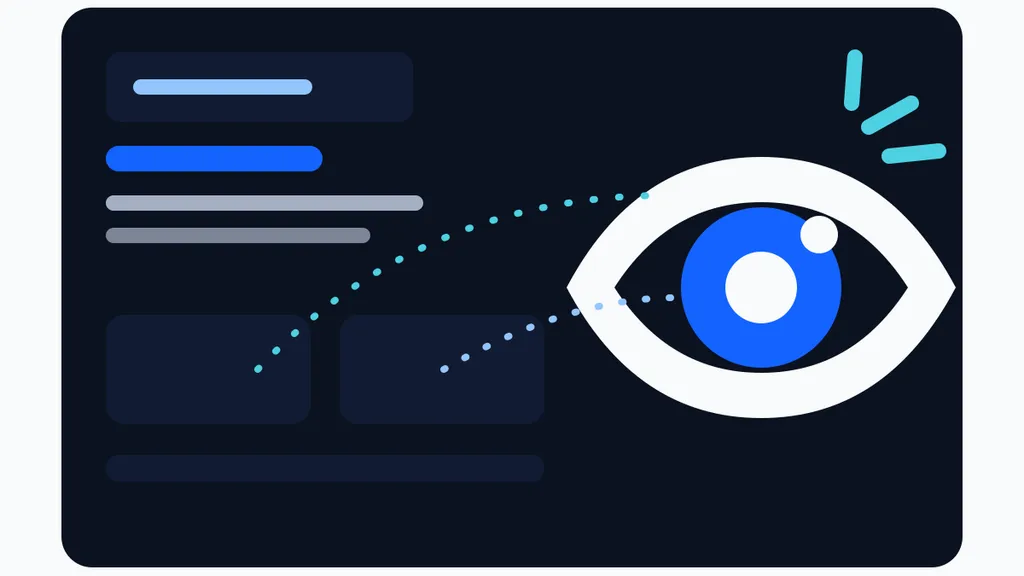
What we help with
Eye tracking support for practical research questions
Use eye tracking when you need to understand why people miss information, get lost, hesitate, make mistakes or look in the wrong place.
UX and digital journeys
Study what people notice on websites, apps, forms, prototypes and screen-based content.
Wayfinding and public spaces
Observe attention around signs, routes, instructions, service points and physical environments.
Retail and shopper research
Look at shelves, packaging, displays, product handling and decisions made in context.
Training and task research
Compare what experts and novices look at while learning, following procedures or carrying out tasks.
Behavioural research
Add eye tracking to studies where observation, attention and task behaviour need to be linked.
Research delivery support
Get help with equipment, setup, calibration, recording, live viewing and optional analysis.
Mobile eye tracking
Real-world eye tracking for places, products and tasks
In the environment
Run studies in stores, public spaces, workplaces, training settings or service locations.
With wearable equipment
Capture what participants look at while they move, search, compare, decide or follow a task.
With practical session support
Support can include setup, calibration, recording checks and coordination while your team facilitates the qualitative session.
Screen-based eye tracking
Eye tracking for websites, apps and digital material
Interfaces and prototypes
Study attention on pages, screens, flows, forms, dashboards and digital prototypes.
Controlled stimulus material
Use screen-based tasks for creative, content, communications, training or comparison material.
Playback and observation
Review gaze recordings alongside what participants did, said and achieved.
For agencies and research teams
Guy handles the eye tracking tech, your team leads the research
eyetracking.agency can support your project with specialist capability while your team keeps ownership of the client, brief or research programme.
Equipment and operator support
Add the right eye tracking setup, calibration, recording checks and practical running support to a planned study.
Qualitative sessions stay with you
Your researcher can facilitate the interview or usability session while we manage calibration, recording and data capture.
Flexible project role
Work openly as a specialist partner or behind your team so researchers can focus on the participant and client.
Why teams bring Guy in
Operational support that protects the interview
The point is not to take over the research. It is to keep the eye tracking setup, calibration and recording running so the researcher can stay with the participant.
Focus stays on the participant
" Having Guy run the eye tracking technology meant our team could concentrate on the interview, not the kit. "
Client feedback
Agency research project
Experienced operator
" Guy brings over 20 years of hands-on eye tracking experience across usability, market research and behavioural studies. "
eyetracking.agency
Practical eye tracking support
Clean handover
" The useful part is practical: recordings, playback, observations and agreed outputs that fit the study. "
Project output
Operational delivery
Optional analysis and reporting
Useful outputs, matched to the study
Core material
Outputs can include gaze recordings, session playback, live viewing support and observations.
Visualisations where appropriate
Fixation visualisations, heatmaps and gaze plots can be included when they suit the data.
Plain reporting
Findings can be handed over as notes, summary slides or a more structured report.
How projects usually work
1. Discuss the project
Clarify the research question, audience, setting, timing and the kind of support needed.
2. Plan the study
Agree the method, equipment, tasks, stimulus material, live viewing needs, session flow and practical constraints.
3. Run the sessions
Set up, calibrate, record and check data capture while your team facilitates any qualitative session.
4. Hand over outputs
Provide the recordings, observations, visualisations or analysis agreed at the start.
Why real observation still matters
Eye tracking is evidence from behaviour, not a substitute for judgement
People do not always notice what teams expect. They do not always remember what drew their attention. Observation helps close that gap.
Attention is often assumed
Eye tracking can show whether important information was actually looked at during the task.
Context changes behaviour
Real-world studies can reveal issues that are easy to miss in a meeting room or deck review.
Interpretation still matters
Eye tracking data works best when read alongside task outcomes, comments and observed behaviour.
About the service
Led by Guy Redwood's eye tracking experience
20+ years hands-on
Guy has worked with eye tracking in usability and market research for more than two decades.
Practical service
The focus is eye tracking capability, equipment, calibration, recording, live viewing and optional analysis.
Built for collaboration
Based in the UK, the service can support agencies, research teams, public bodies and organisations in the UK and internationally.
Need eye tracking support?
Tell us what you are studying, where it needs to happen and what output would be useful.